In an age of cloud storage and seemingly infinite digital capacity, a curious trend has emerged among the world's most prestigious institutions. The Vatican, the Norwegian government, GitHub, and Brazil's national archives have all chosen the same preservation medium for their most irreplaceable assets: physical film.
Why would organizations with access to the most advanced technology choose a medium that dates back to the 1830s? The answer lies in the fundamental physics of data preservation—and the sobering reality of digital decay.
The Digital Decay Problem
We tend to think of digital data as permanent. After all, a file can be copied infinitely without degradation, right? This is true for the moment of copying, but it ignores a critical vulnerability: the storage medium itself.
Consider these sobering statistics:
- Hard drives have an average lifespan of 3-5 years before mechanical failure becomes likely
- SSDs can lose data if left unpowered for extended periods (sometimes as little as one year)
- Magnetic tape, the gold standard for digital archives, degrades within 10-30 years
- Cloud storage requires constant migration, power, and corporate stability
Then there's the format obsolescence problem. Can you read a 5.25" floppy disk today? How about a Zip drive? LaserDisc? These were all considered reliable storage solutions within living memory.
"We had everything on drives, everything, everything everything… and then one day, we didn't. Twenty years of family photos, just gone."
— Anonymous Eternity.Photos customer
The Physics of Permanence
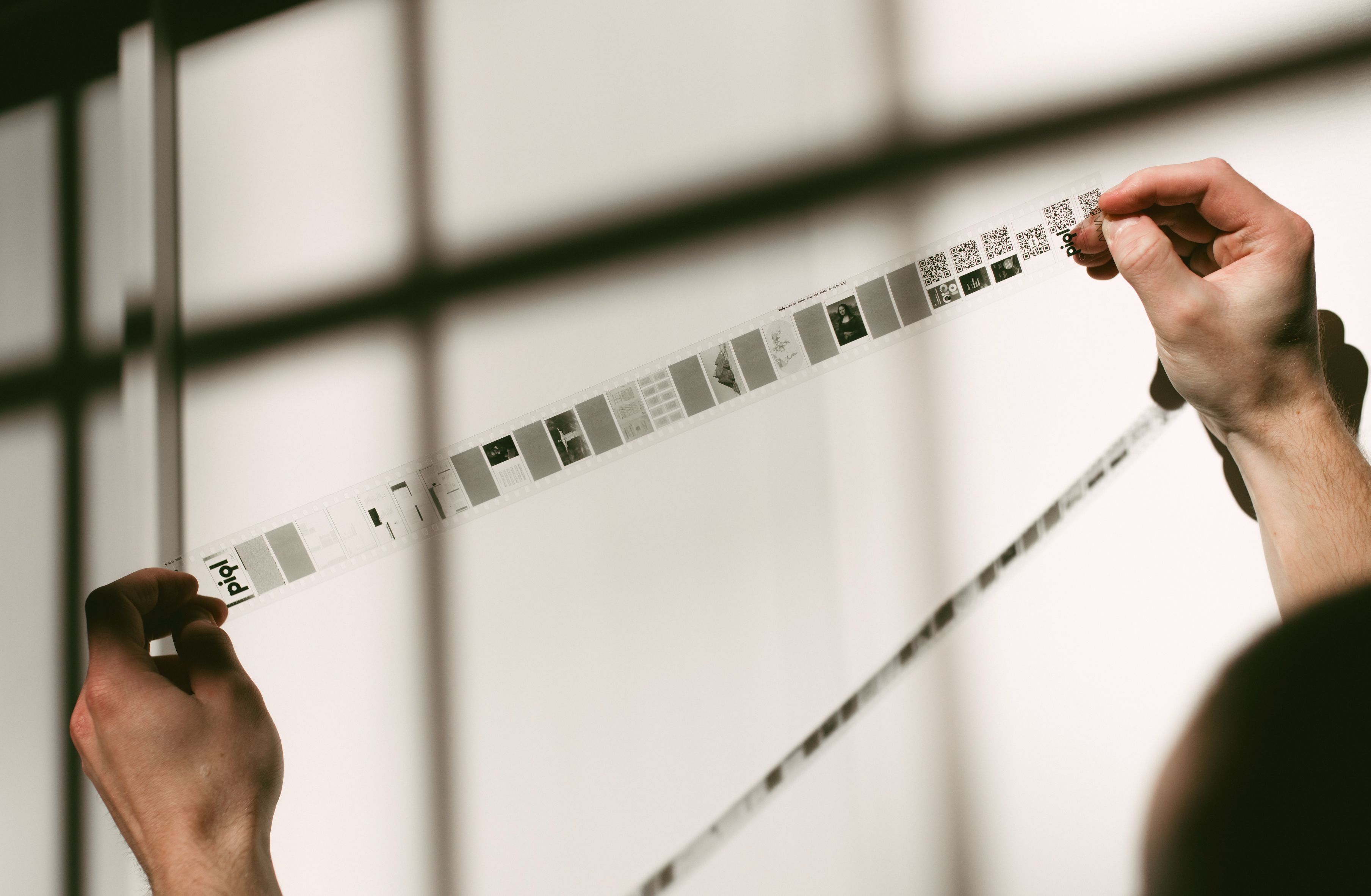
Silver-halide film—the same basic chemistry used in traditional photography—operates on fundamentally different principles than digital storage. When light exposes silver halide crystals, they undergo a permanent chemical transformation. The resulting metallic silver is one of the most stable elements on Earth.
Under proper storage conditions (cool, dry, dark), silver-based images demonstrate remarkable longevity:
- 19th-century photographs remain readable today after 150+ years
- Accelerated aging tests project 500-1,000 year lifespans for modern archival film
- ISO standards (ISO 18901) certify polyester-based silver-gelatin microfilm for 500+ year preservation
🔬 The Science in Simple Terms
Digital storage relies on maintaining precise electrical states (bits) on materials that naturally want to return to equilibrium. It's like holding a ball on a hill—you must constantly prevent it from rolling down. Film-based storage, by contrast, is like carving the information into stone. The information is part of the material's stable state.
Why "The Cloud" Isn't Forever
Cloud storage companies promise reliability, but they cannot promise permanence. Consider:
- Google has shut down 293 products and services since 2006
- Amazon reserves the right to terminate any account for any reason
- MySpace lost 12 years of user-uploaded content in a server migration
- Geocities deleted millions of websites with minimal warning
Even if a company survives, your data requires constant active maintenance: servers must run, electricity must flow, formats must be migrated, and someone must pay the bills. For how long? 10 years? 50? 100?
The Generational Transfer Problem
Here's a thought experiment: What happens to your iCloud account when you die? Your children might recover it, but what about your grandchildren? Your great-grandchildren?
Physical media, by contrast, can be discovered, identified, and read by future generations without passwords, without accounts, without any infrastructure at all. A magnifying glass is sufficient technology to read microfiche.
How Modern Film Archiving Works
Today's film preservation technology is far more sophisticated than grandmother's photo album. At Eternity.Photos, we use a process called Computer Output Microfilm (COM) to convert digital photos into analog format:
- Digital Ingestion: Your photos are uploaded through encrypted channels
- Quality Optimization: Images are processed for maximum archival clarity
- Film Writing: A precision laser writes your images onto archival-grade silver-halide film
- Development: Film is chemically processed to create permanent silver images
- Quality Verification: Each frame is inspected for clarity and durability
- Vault Storage: Finished film is sealed and transported to mountain bunkers
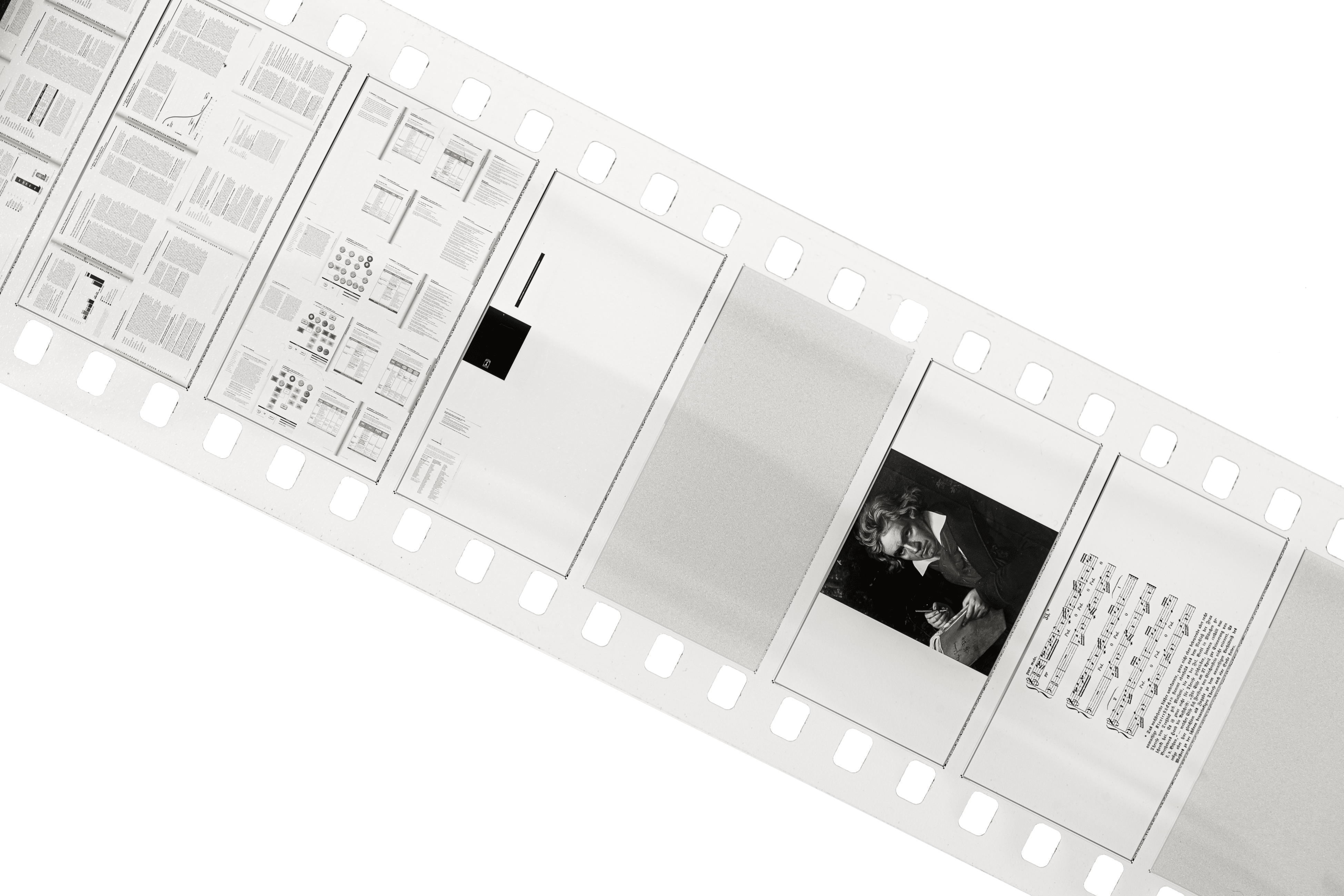
Modern archival film reels prepared for long-term vault storage
The Two-Continent Strategy
Even the most durable medium is vulnerable to localized disasters. That's why serious preservation requires geographic redundancy. At Eternity.Photos, every archive exists in two locations:
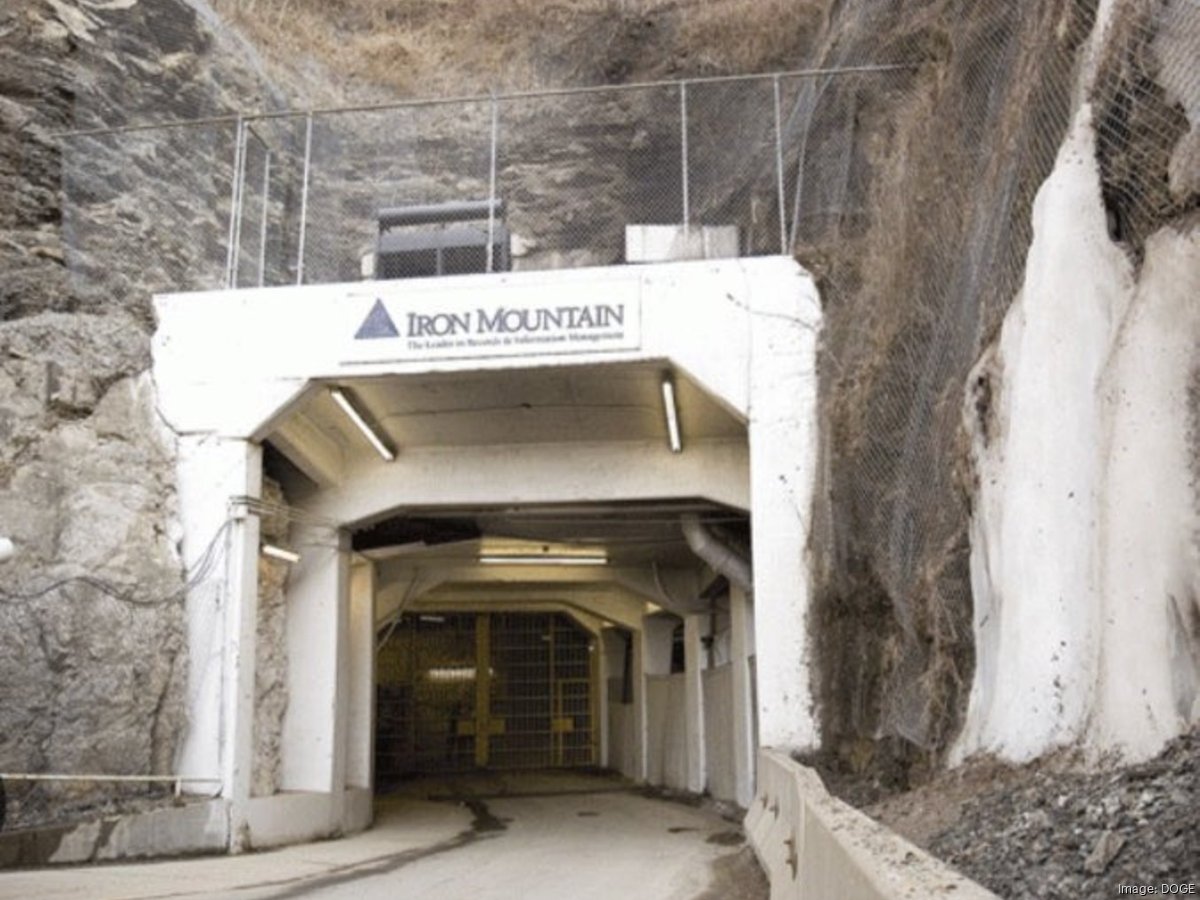
- Iron Mountain, Pennsylvania: A Cold War-era bunker 220 feet underground in a former limestone mine
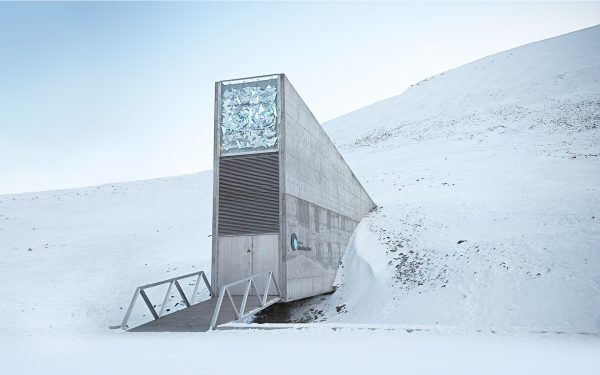
- Arctic World Archive, Svalbard: A permafrost vault in an internationally protected zone near the Global Seed Vault
This dual-continent approach protects against regional disasters, political instability, and even civilizational collapse. If one site becomes inaccessible, the other remains.
Who Uses Physical Archives?
You're in excellent company. Institutions that have chosen film-based preservation include:
- The Vatican: Ancient manuscripts and religious texts
- GitHub: All public code repositories (Arctic Code Vault)
- Norway: Constitutional documents and cultural heritage
- Brazil: National archives and historical records
- Mexico: Indigenous cultural heritage
- ESA: Space mission data
These organizations understand something crucial: truly important data deserves technology that outlasts the politics and business cycles of our time.
🏔️ Ready to Preserve Your Memories?
Your family photos deserve the same protection that governments give their most precious documents. With Eternity.Photos, your memories are converted to physical film and stored in mountain vaults designed to last for generations.
The Bottom Line
Digital storage is convenient. It's accessible. It's cheap. But it is not permanent.
For memories that matter—the irreplaceable photographs that define your family's story—physical archiving offers something digital cannot: true independence from time, technology, and circumstance.
Your great-great-grandchildren won't have your iCloud password. But they could find a reel of film in a mountain vault, hold it up to the light, and see the faces of their ancestors looking back at them.
That's the science of permanence. That's why physical archives outlast digital.